The scientific community is witnessing a paradigm shift in oncology as mRNA technology, catapulted into global prominence by COVID-19 vaccines, is now being aggressively repurposed to combat cancer. The long-held dream of a personalized cancer vaccine is inching closer to reality, with a new wave of clinical trials officially commencing. This isn't a distant future concept; it's a tangible, fast-moving frontier of medicine that aims to leverage a patient's own unique tumor profile to train their immune system for a precise and powerful attack.
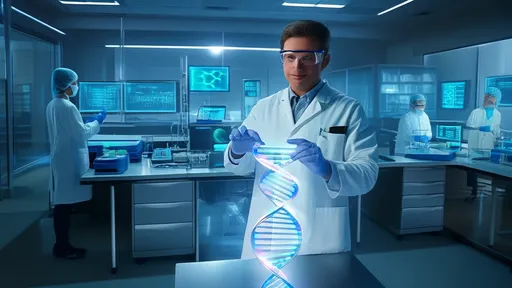
The fundamental principle behind these vaccines is elegantly logical, yet its execution is a marvel of modern biotechnology. Unlike preventative vaccines, which are designed to prime the immune system against a foreign pathogen, therapeutic cancer vaccines are administered after a cancer diagnosis. The process begins with a biopsy of the patient's tumor. Through advanced genomic sequencing, scientists identify the specific neoantigens—unique mutated proteins—present on the surface of the cancer cells. These neoantigens are like flags that distinguish the malignant cells from healthy ones.
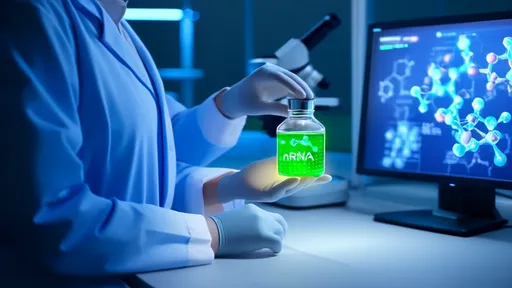
Using this genetic blueprint, a bespoke mRNA vaccine is synthesized. This mRNA strand is essentially a set of instructions, coding for the very neoantigens found in that specific patient's tumor. Once injected into the body, the mRNA is taken up by immune cells, which then use the instructions to produce the neoantigen proteins. This production acts as a wanted poster, alerting and educating the body's T-cells to recognize, hunt down, and destroy any cell displaying those specific flags. It is, in essence, a highly targeted immunotherapy that speaks the unique language of an individual's cancer.
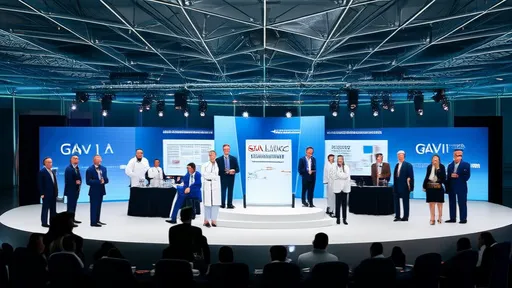
The recent formal launch of several large-scale, Phase II and III clinical trials marks a critical juncture. Earlier phases have yielded exceptionally promising data, demonstrating not only safety but also a potent activation of the immune response and, in some cases, significant tumor regression. The current trials are designed to be more definitive, enrolling hundreds of participants across numerous global sites. They will focus on hard-to-treat cancers with high mutational burdens, such as melanoma, pancreatic cancer, and certain types of lung cancer, where the potential for identifiable neoantigens is greatest.
One of the most significant hurdles this endeavor faces is not purely scientific but logistical. The entire process—from biopsy and sequencing to vaccine design, manufacturing, and administration—must be completed in a tightly compressed timeframe, often targeted to be under a month. This requires a seamless, integrated pipeline between the hospital, the sequencing lab, and the manufacturing facility, a feat of coordination that is as challenging as the science itself. Companies are investing heavily in automated, decentralized manufacturing units to bring production closer to patients and slash these critical timelines.
Beyond logistics, scientific questions remain. Researchers are diligently working to determine the optimal combination therapies. There is a strong consensus that these vaccines will not be silver bullets used in isolation. Their true power is likely to be unlocked when combined with other immunotherapies, such as checkpoint inhibitors, which remove the "brakes" on the immune system, allowing the vaccine-primed T-cells to attack with full force. Determining the right sequences and cocktails is a primary objective of the ongoing research.
The ethical and regulatory landscape is also evolving rapidly. Regulatory bodies like the FDA and EMA are creating new frameworks to evaluate these highly personalized "drugs," which are fundamentally different from traditional, mass-produced pharmaceuticals. Each vaccine is a unique product for a single patient, demanding a rethinking of clinical trial design, safety monitoring, and approval pathways. Furthermore, ensuring equitable access to such a complex and likely expensive treatment is a concern that policymakers are already beginning to grapple with.
Despite these challenges, the atmosphere among oncologists and researchers is one of cautious optimism, bordering on excitement. The success of mRNA platform technology in responding to a global pandemic proved its versatility, scalability, and speed. Applying that same platform to cancer, a disease of immense complexity and personal variation, is a logical and thrilling progression. The data from these new trials will be closely watched, with results expected to start trickling in over the next 18 to 24 months.
In conclusion, the launch of these advanced clinical trials for personalized mRNA cancer vaccines represents a watershed moment. It signifies a move away from the one-size-fits-all approach of traditional chemotherapy and even some earlier immunotherapies, towards a future of truly precision medicine. While hurdles remain, the potential to turn a patient's cancer into its own wanted poster and mobilize their body's innate defenses offers a profoundly hopeful new strategy in the enduring fight against cancer.
By /Sep 16, 2025

By /Sep 16, 2025

By /Sep 16, 2025
By /Sep 16, 2025
By /Sep 16, 2025

By /Sep 16, 2025
By /Sep 16, 2025

By /Sep 16, 2025

By /Sep 16, 2025

By /Sep 16, 2025

By /Sep 16, 2025

By /Sep 16, 2025

By /Sep 16, 2025

By /Sep 16, 2025

By /Sep 16, 2025

By /Sep 16, 2025

By /Sep 16, 2025

By /Sep 16, 2025

By /Sep 16, 2025

By /Sep 16, 2025