Biological Anti-Counterfeiting Technology: The New Application of DNA Barcodes in Product Tracing

Aug 27, 2025 By

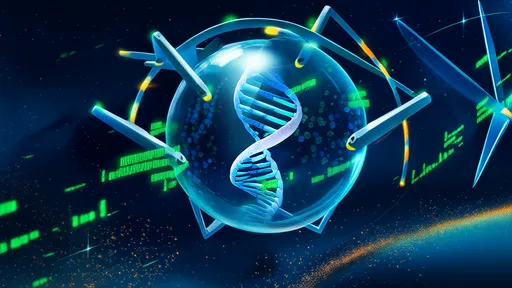
In an era where counterfeit goods and supply chain opacity plague global markets, a revolutionary application of biological identification is quietly transforming how we verify product authenticity. DNA barcoding, once confined to academic laboratories and ecological surveys, has emerged as a powerful tool in commercial traceability systems. This technology leverages unique genetic markers to create unforgeable biological signatures that can be applied to everything from luxury handbags to pharmaceutical ingredients.

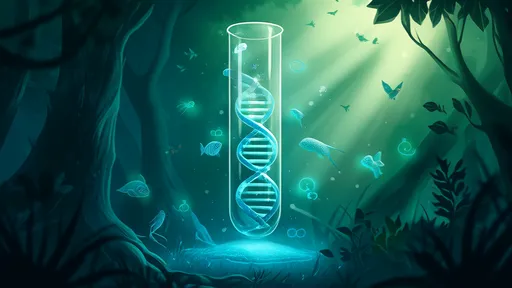
The fundamental principle behind DNA barcoding lies in its ability to identify species or individual items through short, standardized regions of genetic material. Much like supermarket scanners read universal product codes, specialized equipment can decode these biological markers to reveal a product's origin, composition, and journey through the supply chain. What makes this approach particularly compelling is its basis in nature's own identification system—one that cannot be easily replicated or forged through conventional means.

Several pioneering companies have begun integrating synthetic DNA sequences into their products and packaging. These sequences serve as biological fingerprints that remain stable through various environmental conditions and manufacturing processes. Luxury goods manufacturers, for instance, are embedding DNA markers into leather goods, watches, and jewelry, creating authentication systems that even the most sophisticated counterfeiters cannot duplicate.

The agricultural and food industries represent another frontier for DNA barcoding applications. Consumers increasingly demand transparency about where their food originates and how it was produced. By applying DNA tags to crops, livestock, and seafood products, suppliers can provide irrefutable proof of organic certification, geographic origin, and handling practices. This technology has proven particularly valuable in combating food fraud—a multi-billion dollar problem affecting everything from olive oil to premium seafood.

Pharmaceutical companies face perhaps the most urgent need for robust anti-counterfeiting measures. Fake medications not only cause economic losses but pose significant public health risks. DNA barcoding offers a solution that can be integrated directly into drug formulations or packaging. These biological markers remain detectable even after manufacturing processes and can be verified at any point in the distribution chain using portable detection devices.

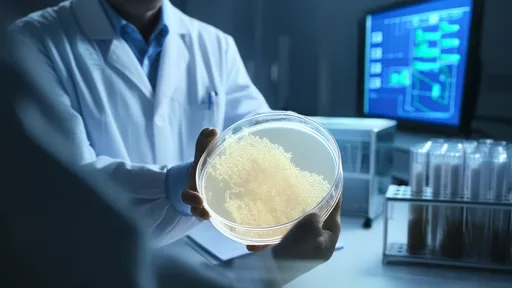
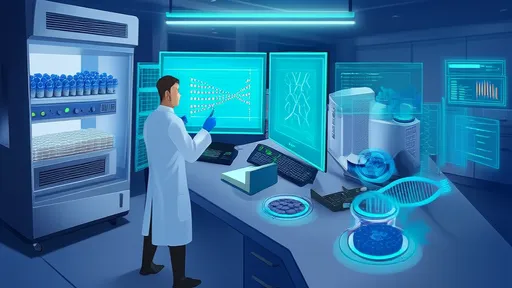
Implementation of DNA-based traceability systems requires sophisticated infrastructure spanning multiple stakeholders. Specialized laboratories produce synthetic DNA markers according to stringent security protocols. Application technologies must ensure consistent marking without affecting product quality or safety. Perhaps most crucially, verification systems need to be accessible to authorities throughout the supply chain while remaining secure against potential manipulation.

The development of portable DNA sequencers and readers has dramatically expanded practical applications for this technology. Field testing devices that once required laboratory conditions now operate in warehouses, retail environments, and even customs checkpoints. These advances make it possible to conduct real-time verification at multiple points along the supply chain, creating robust audit trails that deter would-be counterfeiters.

Regulatory frameworks are gradually adapting to accommodate DNA-based authentication systems. Several international standards organizations have begun developing protocols for DNA marking in various industries. These standards address crucial questions about marker safety, detection reliability, and data privacy. As these frameworks mature, they will likely accelerate adoption across sectors where product authentication represents both a business imperative and consumer safety issue.

Despite its promise, DNA barcoding faces several implementation challenges. Cost remains a significant barrier for many applications, particularly for low-margin products. The technology also requires specialized expertise for proper implementation and verification. Perhaps most importantly, companies must develop secure systems for managing the database infrastructure that connects physical products to their digital provenance records.

The future of DNA barcoding in commercial applications appears remarkably promising. Researchers are developing increasingly sophisticated markers that can store more information while becoming even more difficult to replicate. Some experimental systems even incorporate multiple layers of biological encryption, creating authentication systems that approach the complexity of natural biological codes.

As global supply chains grow more complex and consumer demand for transparency increases, biological verification methods offer a compelling solution to age-old problems of authenticity and provenance. While technological hurdles remain, the continuing advancement of DNA sequencing and synthesis technologies suggests that biological barcoding will become increasingly accessible across diverse industries.

The integration of biological and digital tracking systems represents perhaps the most exciting development in this field. By combining DNA markers with blockchain technology and IoT sensors, companies can create comprehensive traceability systems that provide unprecedented visibility into product journeys from origin to end-user. These hybrid systems leverage the unforgeable nature of biological markers while benefiting from the transparency and accessibility of digital record-keeping.

Ethical considerations surrounding biological marking continue to evolve alongside the technology itself. Questions about genetic privacy, environmental impact, and appropriate use cases require ongoing discussion among stakeholders. Most companies implementing these systems emphasize that they use synthetic DNA sequences that pose no environmental or health risks and contain no personally identifiable information.

Industry adoption patterns suggest that DNA barcoding will follow a trajectory similar to other authentication technologies—beginning with high-value applications where the cost-benefit equation clearly favors implementation, then gradually expanding to broader markets as costs decrease and infrastructure improves. The technology already demonstrates particular strength in sectors where traditional authentication methods have proven inadequate against sophisticated counterfeiting operations.

Educational initiatives will play a crucial role in widespread adoption of DNA-based authentication. Consumers, regulators, and industry participants all require clear understanding of how biological verification works and what guarantees it provides. Several industry consortia have begun developing certification programs and training materials to build confidence in these emerging traceability systems.

The scientific community continues to drive innovation in biological marking technologies. Recent breakthroughs in DNA synthesis and sequencing have dramatically reduced costs while improving reliability. Researchers are exploring novel applications ranging from anti-theft markings on construction materials to verification systems for carbon offset projects. Each new application generates valuable insights that improve the technology's overall robustness and accessibility.

As with any emerging technology, standardization will prove crucial for maximizing the benefits of DNA barcoding. Compatible verification systems, interoperable databases, and consistent marking protocols will enable seamless traceability across supply chains and international borders. Several industry groups have begun collaborative efforts to establish these standards before proprietary systems create compatibility issues.

The marriage of biological science and supply chain management represents a fascinating convergence of disciplines that traditionally operated in separate spheres. This integration requires collaboration between molecular biologists, logistics experts, software developers, and business strategists. The resulting systems demonstrate how interdisciplinary approaches can solve complex real-world problems that resist conventional solutions.

Looking forward, DNA barcoding technology seems poised for significant growth as detection methods become more affordable and applications more diverse. While questions about scalability and implementation remain, the fundamental advantages of biological verification—particularly its resistance to replication—suggest that DNA-based systems will occupy an important niche in the future of product authentication and supply chain transparency.

Recommend Posts
Biology

Insects Flight Algorithm: Fluid Mechanics Optimization of Bee Hovering Flight

By /Aug 27, 2025

In the intricate dance of nature's aviators, the humble honeybee has long captivated scientists with its aerodynamic prowess. While most flying insects rely on forward motion to generate lift, bees perform a remarkable feat: sustained hovering flight. This ability to remain stationary in mid-air while delicately extracting nectar from blossoms represents one of the most energetically demanding forms of animal locomotion. Recent research into the fluid dynamics of bee flight has revealed extraordinary evolutionary adaptations that allow these vital pollinators to defy gravity with such elegance and efficiency.
Biology

Adaptation to Extreme Pressure: Regulation Mechanisms of Deep-Sea Fish Cell Membrane Fluidity

By /Aug 27, 2025

In the crushing darkness of the deep sea, where pressures exceed a thousand times that at the surface and temperatures hover near freezing, life not only persists but thrives. The organisms inhabiting these abyssal zones, particularly fish, have evolved nothing short of miraculous biological adaptations to withstand such extreme conditions. One of the most critical and fascinating of these adaptations lies in the very fabric of their cellular structure: the dynamic regulation of cell membrane fluidity. Unlike their shallow-water counterparts, deep-sea fish possess cell membranes that remain functional and fluid under immense hydrostatic pressure, a feat of biochemical engineering that continues to captivate scientists.
Biology

Bioluminescent Forest: Transgenic Plants for Self-Luminous Lighting Systems

By /Aug 27, 2025

In the quiet hours of twilight, a new kind of forest is beginning to awaken—one that needs no external light to reveal its beauty. Across research facilities and experimental gardens, scientists are weaving the magic of bioluminescence into the very fabric of plant life, creating transgenic organisms that glow with an otherworldly light. This isn’t the stuff of science fiction anymore; it’s a rapidly advancing field that promises to reshape how we think about illumination, sustainability, and our relationship with nature.
Biology

DNA Storage Upgrade: Error-Correction Algorithms for EB-Level Biological Storage Reliability

By /Aug 27, 2025

In a breakthrough that could redefine the future of data storage, scientists have successfully implemented advanced error-correction algorithms to achieve unprecedented reliability in DNA-based storage systems. This development paves the way for practical, exabyte-scale biological data archives that could one day replace traditional silicon-based storage mediums.
Biology

Deciphering the Gut-Brain Axis: The Impact of Microbiota Metabolites on Blood-Brain Barrier Permeability

By /Aug 27, 2025

The intricate dialogue between our gut and brain has long fascinated scientists, but recent breakthroughs are revealing just how profound this connection truly is. At the heart of this exploration lies the gut-brain axis, a complex bidirectional communication network that links the emotional and cognitive centers of the brain with peripheral intestinal functions. What was once a theoretical concept is now a vibrant field of study, uncovering how the microscopic inhabitants of our digestive system can influence everything from our mood to our neurological health. The implications are staggering, suggesting that the key to understanding certain brain disorders may lie not in the brain itself, but in the vast ecosystem of bacteria residing in our gut.
Biology

New Advances in Enhancing the Diatom Biopump Effect for Ocean Carbon Capture

By /Aug 27, 2025

In the relentless pursuit of innovative climate solutions, a groundbreaking frontier is emerging from the depths of the world's oceans. The natural prowess of microscopic algae, specifically diatoms, in sequestering atmospheric carbon is now the focus of an ambitious scientific endeavor. Recent advancements in what is termed the Diatom Biological Pump Enhancement Project are signaling a potential paradigm shift in our approach to large-scale carbon capture, moving beyond terrestrial constraints to harness the vast, untapped potential of the marine environment.
Biology

Dynamic Simulation of Mitochondrial Cristae Membrane Structure Formation

By /Aug 27, 2025

In the intricate world of cellular biology, few structures captivate researchers quite like the mitochondria—the veritable powerhouses of the cell. Among their most fascinating features are the cristae, the inner membrane folds that play a pivotal role in energy production. For decades, scientists have sought to unravel the mysteries of how these dynamic structures form and maintain their integrity. Recent breakthroughs in dynamic simulation technologies are now offering unprecedented insights into this process, transforming our understanding of mitochondrial architecture and function.
Biology

Biological Material Revolution: Mass Production of Fungal Mycelium Degradable Packaging Materials

By /Aug 27, 2025

The rustle of plastic packaging has been the soundtrack of modern consumerism for decades, a ubiquitous noise signaling convenience, sterility, and progress. Yet, this sound has become a global dirge, a constant reminder of a pollution crisis that chokes our landfills and pollutes our oceans. For years, the search for a viable, scalable alternative has been the holy grail of materials science, a quest often met with promising lab results that falter under the harsh realities of industrial production and economic viability. That long-sought paradigm shift now appears to be emerging not from a high-tech chemistry lab, but from the quiet, damp undergrowth of the forest floor. The solution, it seems, has been growing in the dark all along.
Biology

Cell Identity Code: Direct Cell Type Conversion through Reprogramming Technology

By /Aug 27, 2025

In the ever-evolving landscape of regenerative medicine, a groundbreaking frontier is emerging with the concept of cellular identity reprogramming. This sophisticated approach aims to directly convert one specialized cell type into another, bypassing the pluripotent stem cell stage entirely. It represents a paradigm shift from traditional methods, offering unprecedented precision and efficiency in manipulating cell fate.
Biology

Virus Tracing Technology: Gene Recombination Analysis Reveals the Evolutionary Path of Viruses

By /Aug 27, 2025

The intricate dance of viral evolution continues to captivate and challenge the scientific community, with recent advancements in genetic recombination analysis offering unprecedented insights into the complex pathways viruses take. This powerful technique is fundamentally reshaping our understanding of how pathogens like coronaviruses, influenza, and others emerge, adapt, and sometimes spill over into human populations, posing significant threats to global health.
Biology

Gene Regulation of CAM Photosynthesis in Cacti: A Drought Resistance Strategy

By /Aug 27, 2025

In the harsh, sun-scorched landscapes where water is a luxury, the cactus stands as a testament to nature's ingenuity. Among its many survival strategies, the Crassulacean Acid Metabolism (CAM) photosynthetic pathway represents one of the most fascinating evolutionary adaptations to aridity. Unlike most plants that open their stomata during the day, CAM plants like cacti keep these pores closed to prevent water loss, instead fixing carbon dioxide at night. This remarkable physiological process is not just a quirk of desert botany; it is a complex, genetically orchestrated symphony that has captured the attention of plant scientists and biotechnologists worldwide.
Biology

Biodiversity Monitoring: Environmental DNA Technology Revolutionizes Species Census

By /Aug 27, 2025

In the dense, murky waters of the Amazon, or the frigid currents of the Arctic, a biological revolution is unfolding—one that requires no nets, no traps, and no direct human observation. Environmental DNA, or eDNA, is rewriting the rules of species monitoring, offering a powerful, non-invasive lens into the richness of life on Earth. By simply sampling water, soil, or even air, scientists can now detect the genetic traces left behind by organisms, from the mightiest whales to the most elusive insects. This breakthrough is not merely an incremental improvement in biological surveying; it represents a fundamental shift in how we perceive, measure, and conserve biodiversity.
Biology

Breakthrough in Neural Interfaces: Graphene Electrodes Achieve Single Neuron Precision Monitoring

By /Aug 27, 2025

In a landmark development that blurs the lines between biology and technology, researchers have successfully demonstrated the first large-scale neural interface capable of monitoring individual neurons with unprecedented precision using graphene-based electrodes. This breakthrough, achieved through a multi-institutional collaboration, promises to revolutionize our understanding of brain function and accelerate advancements in neuroprosthetics and brain-computer interfaces.
Biology

Photosynthesis 2.0: Breakthrough in Artificial Chloroplasts Energy Conversion Efficiency

By /Aug 27, 2025

In a landmark breakthrough that promises to redefine the future of sustainable energy, a team of international scientists has unveiled what is being hailed as Photosynthesis 2.0: a fully synthetic, high-efficiency artificial chloroplast. This revolutionary system, developed after more than a decade of meticulous research, has achieved an unprecedented energy conversion efficiency, far surpassing the capabilities of its natural counterpart and existing artificial photosynthesis technologies. The implications for clean energy generation, carbon capture, and even long-duration space missions are nothing short of profound.
Biology

Biological Anti-Counterfeiting Technology: The New Application of DNA Barcodes in Product Tracing

By /Aug 27, 2025

In an era where counterfeit goods and supply chain opacity plague global markets, a revolutionary application of biological identification is quietly transforming how we verify product authenticity. DNA barcoding, once confined to academic laboratories and ecological surveys, has emerged as a powerful tool in commercial traceability systems. This technology leverages unique genetic markers to create unforgeable biological signatures that can be applied to everything from luxury handbags to pharmaceutical ingredients.
Biology

Avian Linguistic Dialects: Urban Sparrow Songs Adapt to Noise Pollution Evolution

By /Aug 27, 2025

In the heart of bustling cities, where the cacophony of traffic and human activity often drowns out natural sounds, a remarkable evolutionary story is unfolding. Urban sparrows, once merely background players in the metropolitan symphony, are now at the forefront of scientific research due to their astonishing ability to adapt their songs to noisy environments. These small, resilient birds have not only survived but thrived in urban landscapes, and their vocal adaptations offer a fascinating glimpse into how wildlife is evolving in response to human-induced changes.
Biology

DNA Origami: Precise Drug Delivery with Nucleic Acid Self-Assembled Nanostructures

By /Aug 27, 2025

In the rapidly evolving landscape of nanotechnology, DNA origami has emerged as a groundbreaking technique with transformative potential for biomedical applications, particularly in the realm of targeted drug delivery. This innovative approach leverages the innate properties of DNA—its programmability, stability, and precise self-assembly capabilities—to construct nanoscale structures that can navigate the complex biological environments of the human body with unprecedented accuracy. Unlike traditional drug delivery systems that often suffer from nonspecific distribution and consequent side effects, DNA origami-based carriers promise a new era of precision medicine, where therapeutics are delivered directly to diseased cells, minimizing harm to healthy tissues and maximizing therapeutic efficacy.
Biology

Innovative Biological Control: Precision Pest Management through Pheromone Disruption of Insect Mating

By /Aug 27, 2025

In the quiet orchards and vast farmlands, a silent revolution is unfolding—one that harnesses the very language of insects to protect our crops. Pheromone-mediated mating disruption represents a paradigm shift in agricultural pest management, moving away from broad-spectrum chemical assaults toward a sophisticated dialogue with nature. This approach leverages insects' own chemical communication systems to create precisely targeted interventions that minimize ecological collateral damage while maintaining crop yields.
Biology

Senolytic Drug Targeting: Breakthroughs in Senescence Cell Clearance Technology

By /Aug 27, 2025

In a landmark development that could redefine how we approach aging and age-related diseases, the field of senolytics has achieved a significant breakthrough in targeted clearance of senescent cells. These so-called "zombie cells," which accumulate with age and refuse to die, have long been implicated in driving inflammation, tissue dysfunction, and a host of chronic conditions. The latest advancements are not merely incremental improvements but represent a paradigm shift in precision and efficacy, moving us closer to therapies that could potentially delay, prevent, or alleviate multiple ailments of aging simultaneously.
Biology

Microbial Architect: Bacillus Spores Self-Healing Concrete Technology

By /Aug 27, 2025

In the ever-evolving landscape of construction technology, a groundbreaking innovation has emerged from the intersection of microbiology and civil engineering: self-healing concrete powered by Bacillus bacteria. This revolutionary approach promises to transform infrastructure durability, reduce maintenance costs, and extend the lifespan of concrete structures worldwide. The concept, which might sound like science fiction, is rapidly becoming a tangible reality thanks to decades of research and recent advancements in biotechnology.