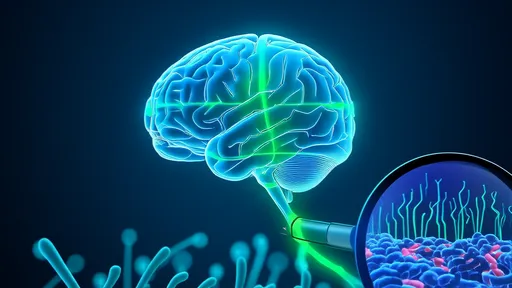
The intricate dialogue between our gut and brain has long fascinated scientists, but recent breakthroughs are revealing just how profound this connection truly is. At the heart of this exploration lies the gut-brain axis, a complex bidirectional communication network that links the emotional and cognitive centers of the brain with peripheral intestinal functions. What was once a theoretical concept is now a vibrant field of study, uncovering how the microscopic inhabitants of our digestive system can influence everything from our mood to our neurological health. The implications are staggering, suggesting that the key to understanding certain brain disorders may lie not in the brain itself, but in the vast ecosystem of bacteria residing in our gut.
Central to this conversation is the blood-brain barrier (BBB), the highly selective semipermeable border that protects the central nervous system from potentially harmful substances in the bloodstream. For decades, it was considered an impervious fortress, meticulously guarding the delicate neural environment. However, emerging research is painting a more dynamic picture, showing that this barrier is not static but is instead susceptible to influence from distant parts of the body. The agents of this influence are the diverse metabolites produced by our gut microbiota, which can travel through the bloodstream and send potent signals that can alter the BBB's integrity and function.
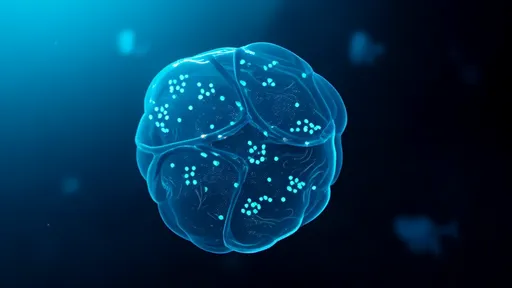
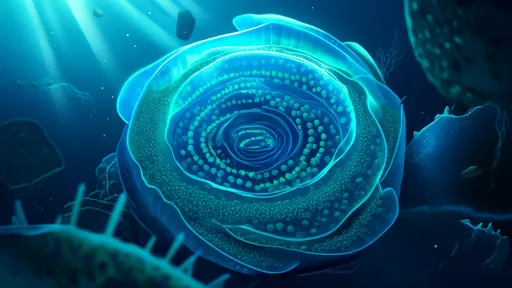
The human gut is home to trillions of microorganisms, collectively known as the gut microbiota, which form a symbiotic relationship with their host. This community is incredibly diverse, comprising hundreds of different species of bacteria, viruses, fungi, and other microbes. Their collective genetic material, the microbiome, is a powerhouse of metabolic activity, far exceeding the metabolic capacity of the human liver. These microbes break down dietary components that our own enzymes cannot, producing a vast array of metabolites. These include short-chain fatty acids (SCFAs) like butyrate, propionate, and acetate, neurotransmitters, bile acids, and various other neuroactive compounds. It is through the production and release of these molecules that the gut microbiota exerts its systemic effects, essentially acting as a virtual endocrine organ.
Among the most studied microbial metabolites are the short-chain fatty acids. Produced primarily through the bacterial fermentation of dietary fiber, SCFAs are more than just waste products; they are potent signaling molecules. Once produced in the colon, they are absorbed into the bloodstream, where they can circulate throughout the body. Research has demonstrated that these molecules can cross the blood-brain barrier and also communicate with it directly. Butyrate, for instance, has been shown to strengthen the BBB by upregulating the expression of tight junction proteins—the specialized structures that seal the gaps between endothelial cells lining the brain's capillaries. This fortification makes the barrier less "leaky" and better at its protective job. Conversely, a depletion of these beneficial metabolites, often resulting from a poor diet or antibiotic use, can weaken these cellular connections, potentially compromising the barrier.
However, the microbial influence is not solely protective. The gut microbiome can also produce metabolites that have a detrimental effect on BBB permeability. For example, certain bacteria can generate lipopolysaccharides (LPS), which are large molecules found in the outer membrane of Gram-negative bacteria. When the intestinal barrier becomes compromised—a state often referred to as "leaky gut"—LPS can translocate into the bloodstream, triggering a systemic inflammatory response. This inflammation involves the release of pro-inflammatory cytokines, which are signaling molecules that can travel to the brain and disrupt the BBB. They can downregulate the production of tight junction proteins and activate immune cells surrounding the brain, leading to increased permeability. This breach allows substances that are normally excluded to enter the brain, potentially triggering neuroinflammation, which is a hallmark of many neurological and psychiatric disorders.
The implications of this research extend far beyond theoretical biology, reaching into the very real world of human health and disease. A growing body of evidence suggests that disruptions in the gut-brain axis and subsequent BBB dysfunction may play a critical role in the pathogenesis of a wide range of conditions. In neurodegenerative diseases like Alzheimer's and Parkinson's, researchers have observed changes in gut microbiota composition and increased BBB permeability years before the onset of classical symptoms. This has led to the provocative hypothesis that the disease process may begin in the gut. Similarly, in neurodevelopmental disorders such as autism spectrum disorder (ASD) and mental health conditions like major depressive disorder, alterations in the microbiome and a leaky BBB are frequently reported. This opens up exciting new avenues for therapeutic intervention, suggesting that we might one day treat brain disorders by targeting the gut.
The prospect of manipulating the gut microbiome to support brain health is a cornerstone of the emerging field of nutritional psychiatry and neurology. The most straightforward intervention is dietary modification. A diet rich in prebiotic fibers, found in fruits, vegetables, and whole grains, provides the necessary fuel for beneficial SCFA-producing bacteria to thrive. Fermented foods, which are natural sources of probiotics, can directly introduce beneficial strains into the ecosystem. For more targeted approaches, high-potency probiotic supplements and even fecal microbiota transplants (FMT) are being investigated as ways to rapidly reshape a dysfunctional microbiome and, in turn, potentially restore integrity to the blood-brain barrier. While this field is still in its relative infancy, the early data is promising, pointing toward a future where "food is medicine" for the brain as well as the body.
As we stand on the precipice of this new understanding, it is clear that the line between neurology and gastroenterology is becoming increasingly blurred. The revelation that microbial metabolites from the gut can directly influence the sanctity of the blood-brain barrier forces us to reconsider the human body as a fully integrated superorganism. We are not just a host to our microbes; we are a partnership, and the health of one directly dictates the health of the other. Future research will need to move from correlation to causation, pinpointing specific bacterial strains and their metabolites that can predictably modulate BBB function. This will pave the way for novel, microbiome-based diagnostics and therapeutics, offering hope for millions affected by disorders of the brain that have, until now, been notoriously difficult to understand and treat. The conversation between our gut and our brain is ongoing, and we are only just beginning to listen.

By /Aug 27, 2025
By /Aug 27, 2025

By /Aug 27, 2025
By /Aug 27, 2025
By /Aug 27, 2025
By /Aug 27, 2025
By /Aug 27, 2025
By /Aug 27, 2025
By /Aug 27, 2025
By /Aug 27, 2025

By /Aug 27, 2025
By /Aug 27, 2025
By /Aug 27, 2025
By /Aug 27, 2025
By /Aug 27, 2025

By /Aug 27, 2025
By /Aug 27, 2025

By /Aug 27, 2025

By /Aug 27, 2025
By /Aug 27, 2025