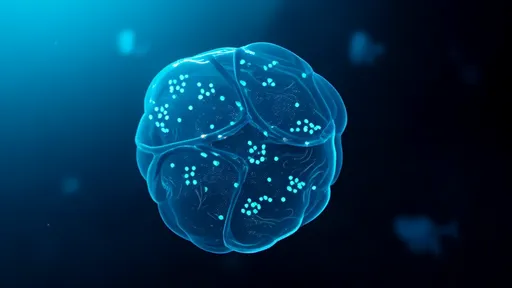
In the ever-evolving landscape of regenerative medicine, a groundbreaking frontier is emerging with the concept of cellular identity reprogramming. This sophisticated approach aims to directly convert one specialized cell type into another, bypassing the pluripotent stem cell stage entirely. It represents a paradigm shift from traditional methods, offering unprecedented precision and efficiency in manipulating cell fate.
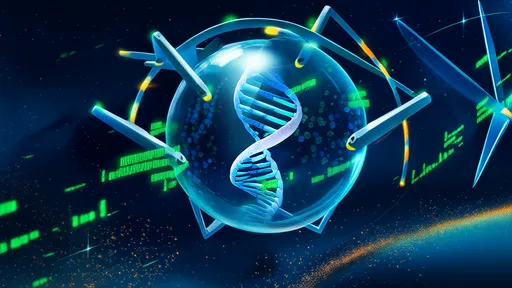
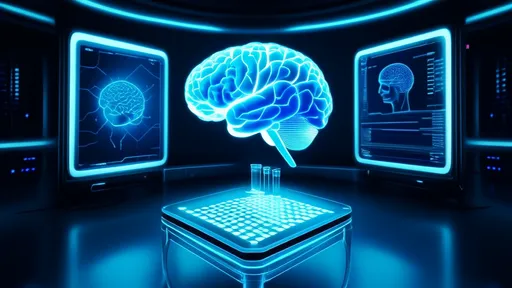
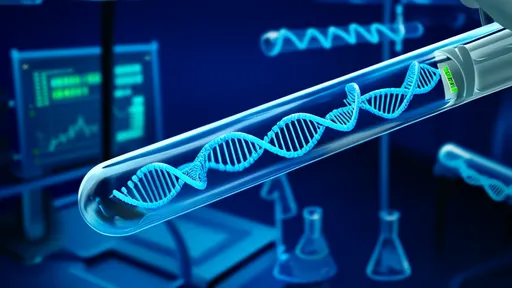
The foundation of this technology lies in the understanding that every cell in the human body, despite sharing identical genetic material, maintains a unique identity through what scientists term the "cellular identity code." This code is not written in DNA sequences themselves but in the complex epigenetic landscape—chemical modifications and structural changes that dictate which genes are active or silent. Transcription factors, environmental cues, and metabolic states all contribute to this intricate regulatory network that defines whether a cell becomes a neuron, a cardiomyocyte, or a pancreatic beta cell.
Historically, cellular reprogramming was dominated by the revolutionary induced pluripotent stem cell (iPSC) technology, which allowed mature cells to be rewound to an embryonic-like state. While transformative, this approach carried significant limitations including the risk of tumor formation and inefficient differentiation protocols. Direct reprogramming, alternatively, seeks to achieve transdifferentiation—directly converting, for example, a skin fibroblast into a functional neuron without passing through a pluripotent intermediate. This not only reduces oncogenic risks but also preserves epigenetic age and cellular functionality more effectively.
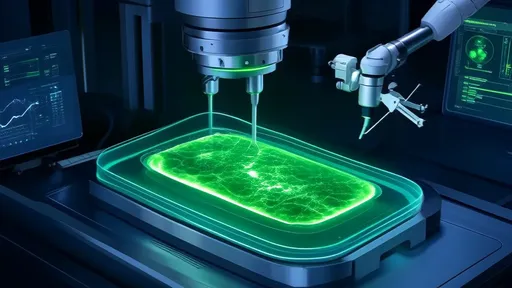
Several pioneering studies have demonstrated the feasibility of this approach. By identifying key transcription factors specific to target cell types, researchers have successfully generated neurons, cardiomyocytes, and hepatocytes from readily accessible somatic cells. The process often involves the forced expression of a combination of master regulator genes that can overwrite the existing epigenetic code and establish a new cellular identity. Recent advances have shown that small molecules and microenvironmental manipulations can enhance the efficiency and purity of these conversions, reducing the reliance on genetic modifications.
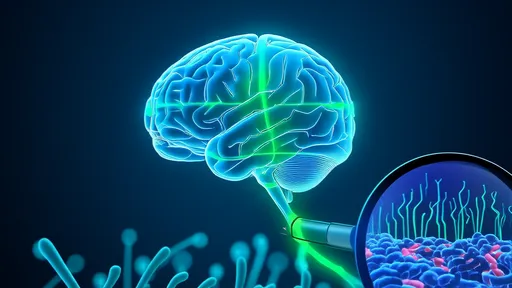
The implications for therapeutic applications are profound. Imagine a future where patients with neurodegenerative diseases like Parkinson's or Alzheimer's could receive autologous cell therapies derived from their own skin cells, directly reprogrammed into dopamine-producing neurons or functional glial cells. Similarly, individuals suffering from heart failure could benefit from in situ reprogramming of cardiac fibroblasts into contractile cardiomyocytes, effectively regenerating damaged heart tissue without invasive procedures.
However, significant challenges remain on the path to clinical translation. One major hurdle is achieving complete and stable reprogramming without residual original cell characteristics or unintended intermediate states. The efficiency of conversion varies greatly between cell types, and the functional maturity of directly reprogrammed cells often requires further optimization to match their native counterparts. Additionally, delivery methods for reprogramming factors—whether viral vectors, RNA-based techniques, or small molecules—must be refined to ensure safety and specificity in human patients.
Beyond therapeutic applications, direct reprogramming technologies offer powerful tools for disease modeling and drug discovery. Researchers can create patient-specific disease-relevant cells for studying pathological mechanisms and screening potential therapeutics in vitro. This approach provides more physiologically relevant models compared to traditional cell lines, accelerating the development of targeted treatments for various conditions.
Looking forward, the field is moving toward increasingly precise manipulation of cellular identities. Emerging techniques like CRISPR-based epigenetic editing allow for targeted rewriting of the epigenetic code without altering the underlying DNA sequence. Combined with single-cell technologies that provide unprecedented resolution of cellular states, scientists are developing more refined reprogramming protocols that can generate specific subtypes of cells with exquisite precision.
The ethical considerations surrounding cellular reprogramming also deserve attention. While direct conversion avoids the ethical controversies associated with embryonic stem cells, the ability to fundamentally alter cell identity raises questions about the boundaries of biological manipulation. Establishing clear regulatory frameworks and maintaining public dialogue will be crucial as these technologies advance toward clinical application.
In conclusion, the direct reprogramming of cellular identities represents a transformative approach in biomedical science. By cracking the code that defines cell fate, researchers are developing powerful new strategies for regenerative medicine, disease modeling, and therapeutic development. While technical challenges remain, the rapid progress in this field promises to unlock new possibilities for treating what were once considered incurable conditions, ultimately bringing us closer to the goal of personalized, regenerative healthcare.

By /Aug 27, 2025
By /Aug 27, 2025

By /Aug 27, 2025
By /Aug 27, 2025
By /Aug 27, 2025

By /Aug 27, 2025
By /Aug 27, 2025
By /Aug 27, 2025
By /Aug 27, 2025
By /Aug 27, 2025

By /Aug 27, 2025
By /Aug 27, 2025
By /Aug 27, 2025
By /Aug 27, 2025
By /Aug 27, 2025

By /Aug 27, 2025
By /Aug 27, 2025

By /Aug 27, 2025

By /Aug 27, 2025
By /Aug 27, 2025