In the quiet orchards and vast farmlands, a silent revolution is unfolding—one that harnesses the very language of insects to protect our crops. Pheromone-mediated mating disruption represents a paradigm shift in agricultural pest management, moving away from broad-spectrum chemical assaults toward a sophisticated dialogue with nature. This approach leverages insects' own chemical communication systems to create precisely targeted interventions that minimize ecological collateral damage while maintaining crop yields.
The science behind this method is as elegant as it is effective. Female insects release species-specific sex pheromones to attract potential mates across remarkable distances. By synthesizing these chemical signals and deploying them strategically throughout cultivation areas, farmers can effectively "jam" the communication channels pests use to find partners. The resulting sensory overload confuses male insects, preventing them from locating females and ultimately disrupting the reproductive cycle without ever touching a single insect.
What makes this technology particularly groundbreaking is its surgical precision. Unlike conventional pesticides that affect entire ecosystems—harming beneficial pollinators, soil microorganisms, and even entering water systems—pheromone disruptors target only the intended species. This specificity preserves natural predator-prey relationships and maintains biodiversity while controlling pest populations. The approach demonstrates how understanding insect behavior can yield more sustainable solutions than simply developing stronger toxins.
Implementation typically involves strategically placing dispensers throughout fields that release precise amounts of synthetic pheromones over extended periods. These devices range from simple twist-ties attached to plants to sophisticated micro-encapsulated formulations that release their payload under specific environmental conditions. The technology has become increasingly refined, with release rates now calibrated to match pest life cycles and seasonal population dynamics.
The economic implications are equally compelling. While initial setup costs may exceed those of conventional pesticides, the long-term benefits include reduced chemical inputs, lower resistance development, and often premium prices for crops marketed as ecologically responsible. Many farmers find that although they're investing more upfront, they're saving significantly on repeated spray applications and mitigating the environmental costs associated with chemical runoff.
Research continues to push the boundaries of what's possible with pheromone technology. Scientists are now developing combination approaches that integrate multiple pest-specific pheromones in the same delivery system, creating comprehensive protection programs for crops facing threats from several insect species simultaneously. Other innovations include pheromones that not only disrupt mating but also trigger pest avoidance behaviors or attract natural predators.
Climate change adds urgency to these developments. As pest populations shift their ranges and life cycles in response to changing temperatures, the flexibility of pheromone systems becomes particularly valuable. Unlike chemical pesticides that require lengthy approval processes for each new application, pheromone platforms can be adapted more rapidly to address emerging threats, making them crucial tools for climate-resilient agriculture.
Despite its promise, implementation challenges remain. Pheromone strategies require detailed knowledge of local pest populations and their behavior patterns. Effectiveness can vary based on factors like field size, topography, and pest density. Successful adoption often depends on area-wide cooperation among growers, as isolated implementations may simply push pests to neighboring fields rather than suppressing overall populations.
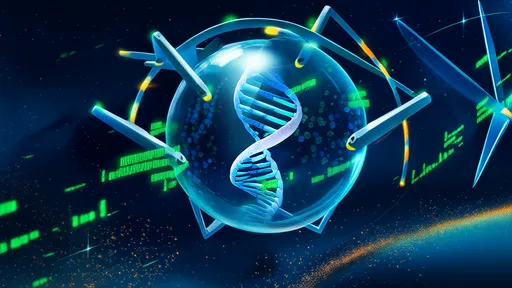
The future likely holds even more sophisticated applications. Researchers are exploring gene editing techniques that could alter insects' pheromone reception systems and developing AI-powered monitoring networks that adjust pheromone release in real-time based on pest population data. Such advances could create self-regulating agricultural systems that maintain balance with minimal human intervention.
As consumers increasingly demand food produced with ecological responsibility, pheromone disruption stands poised to become a cornerstone of sustainable agriculture. This technology represents more than just another pest control method—it exemplifies how working with nature's own systems rather than against them can yield solutions that are both effective and environmentally sound. The quiet revolution in our fields may well hold lessons for addressing other environmental challenges through similar biomimetic approaches.

By /Aug 27, 2025
By /Aug 27, 2025

By /Aug 27, 2025
By /Aug 27, 2025
By /Aug 27, 2025

By /Aug 27, 2025
By /Aug 27, 2025
By /Aug 27, 2025
By /Aug 27, 2025
By /Aug 27, 2025

By /Aug 27, 2025
By /Aug 27, 2025

By /Aug 27, 2025
By /Aug 27, 2025
By /Aug 27, 2025

By /Aug 27, 2025
By /Aug 27, 2025

By /Aug 27, 2025

By /Aug 27, 2025
By /Aug 27, 2025