Virus Tracing Technology: Gene Recombination Analysis Reveals the Evolutionary Path of Viruses

Aug 27, 2025 By

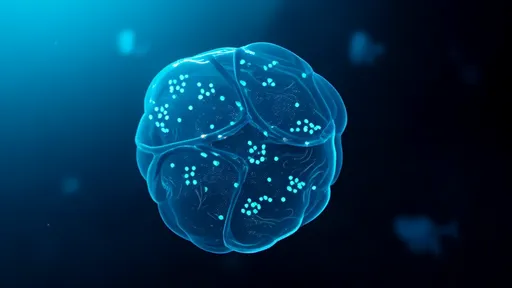
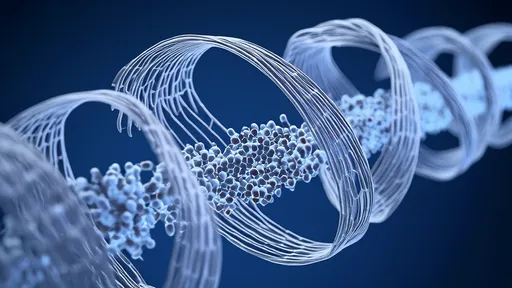
The intricate dance of viral evolution continues to captivate and challenge the scientific community, with recent advancements in genetic recombination analysis offering unprecedented insights into the complex pathways viruses take. This powerful technique is fundamentally reshaping our understanding of how pathogens like coronaviruses, influenza, and others emerge, adapt, and sometimes spill over into human populations, posing significant threats to global health.

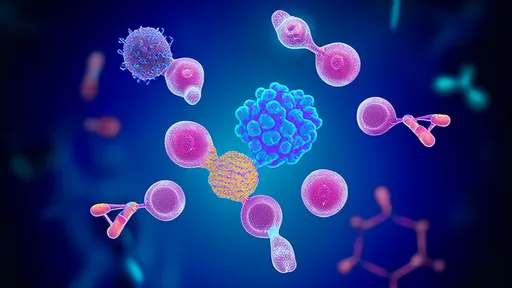
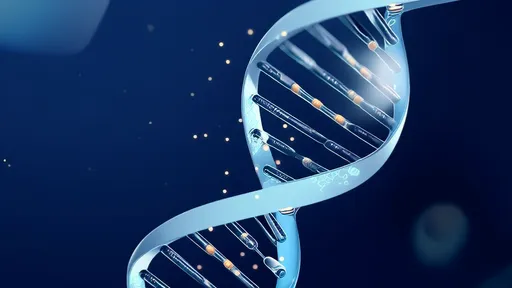
At its core, genetic recombination is a process where two or more viral strains co-infect a single host cell and exchange genetic material during replication, creating a novel viral offspring with a mixed genome. Unlike simple point mutations that cause gradual change, recombination acts as a dramatic evolutionary shortcut, allowing viruses to rapidly acquire new traits. These can include enhanced transmissibility, the ability to evade immune responses, or increased virulence. For scientists tracing a virus's origins, identifying these recombination events is like finding the junctures where different family lineages merged, providing a more complete and accurate family tree.

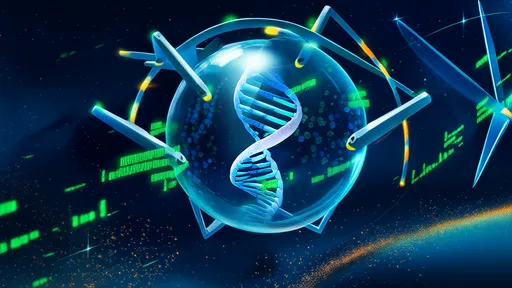
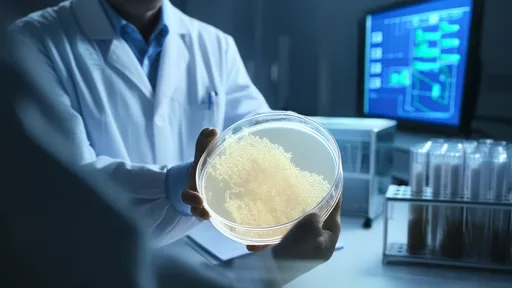
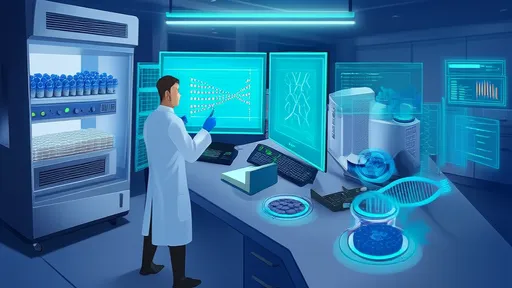
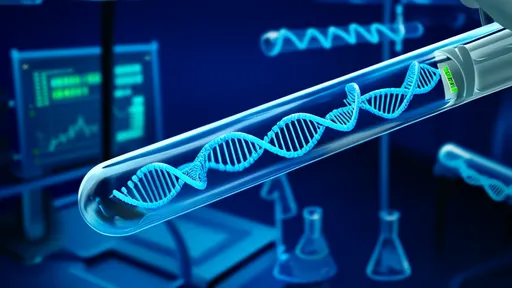
The technological backbone of this field is next-generation sequencing (NGS). Modern sequencers can generate the vast volumes of genetic data required to compare thousands of viral genomes at once. Sophisticated computational algorithms and bioinformatic tools then sift through this data, hunting for tell-tale signs of recombination. They look for breakpoints in the genetic code—places where the nucleotide sequence abruptly shifts from closely matching one known viral lineage to matching another. Pinpointing these breakpoints allows researchers to identify the precise "parental" strains that contributed to the new recombinant virus.

The application of this technology has been particularly illuminating in the study of coronaviruses. The SARS-CoV-2 pandemic itself is a prime example. While its exact origins remain a topic of rigorous investigation, recombination analysis has been crucial. Early studies confirmed that the virus's genome showed evidence of a recombination event in its evolutionary history. Its receptor-binding domain (RBD), the key that allows it to unlock and enter human cells, appears to have been acquired through recombination with a coronavirus from pangolins or a similar progenitor, rather than through gradual mutation alone. This single event may have been a critical step in granting the virus the ability to efficiently infect humans.

Beyond the current pandemic, this analytical lens has clarified the history of other major outbreaks. The 2002-2004 SARS epidemic was traced back to recombinant viruses circulating in bat populations, with civet cats acting as an intermediate host. Similarly, the MERS coronavirus, which continues to cause sporadic cases, is believed to have emerged from recombination events between bat coronaviruses before jumping to camels and then to humans. These historical case studies underscore recombination's role as a recurring engine for the emergence of novel, and often dangerous, pathogens.

Looking towards the future, the implications for public health are profound. By actively monitoring animal reservoirs, particularly bats, rodents, and birds which are known coronavirus hotspots, scientists can use recombination analysis as an early warning system. Sequencing viruses found in these populations and analyzing them for recombination signals could help identify strains that are mixing genetic material in ways that might pre-adapt them for human infection. This proactive surveillance, a practice known as "viral forecasting," could theoretically allow us to predict and potentially prepare for the next potential pandemic virus before it makes the jump into people.

Furthermore, this deep genetic understanding directly informs the development of medical countermeasures. For vaccine design, knowing which parts of the virus are most stable and which are prone to change via recombination or mutation is critical. Developers can focus on crafting vaccines that target the more conserved, essential regions of the virus, thereby creating a more durable and broad-spectrum immunity that is less easily evaded by new variants. For therapeutics, understanding the evolutionary pressures that shape the virus can help in designing antiviral drugs that are less likely to face rapid resistance.

Despite its power, the field of viral recombination analysis is not without its significant challenges. The first is a data gap; our catalog of viral sequences, while growing exponentially, is still vastly incomplete. We have likely only sequenced a tiny fraction of the viruses existing in nature, meaning we are often missing crucial pieces of the evolutionary puzzle. The second challenge is analytical complexity. Distinguishing a true recombination event from other phenomena, like convergent evolution (where unrelated viruses independently evolve similar traits), requires immense computational power and sophisticated statistical models. Conclusions must be drawn cautiously and are always subject to revision with new evidence.

In conclusion, genetic recombination analysis has moved from a niche area of virology to a central discipline in understanding pandemic risk. It provides a dynamic and nuanced view of viral evolution, revealing that the emergence of new threats is often not a slow march but a sudden leap facilitated by the swapping of genetic code. As sequencing technologies become faster, cheaper, and more portable, and as our bioinformatic tools grow ever more sharp, our ability to trace these evolutionary paths will only improve. This knowledge is not merely academic; it is a vital component of our global defense system, equipping us to better anticipate, prevent, and respond to the infectious disease challenges of tomorrow.

Recommend Posts
Biology

Insects Flight Algorithm: Fluid Mechanics Optimization of Bee Hovering Flight

By /Aug 27, 2025

In the intricate dance of nature's aviators, the humble honeybee has long captivated scientists with its aerodynamic prowess. While most flying insects rely on forward motion to generate lift, bees perform a remarkable feat: sustained hovering flight. This ability to remain stationary in mid-air while delicately extracting nectar from blossoms represents one of the most energetically demanding forms of animal locomotion. Recent research into the fluid dynamics of bee flight has revealed extraordinary evolutionary adaptations that allow these vital pollinators to defy gravity with such elegance and efficiency.
Biology

Adaptation to Extreme Pressure: Regulation Mechanisms of Deep-Sea Fish Cell Membrane Fluidity

By /Aug 27, 2025

In the crushing darkness of the deep sea, where pressures exceed a thousand times that at the surface and temperatures hover near freezing, life not only persists but thrives. The organisms inhabiting these abyssal zones, particularly fish, have evolved nothing short of miraculous biological adaptations to withstand such extreme conditions. One of the most critical and fascinating of these adaptations lies in the very fabric of their cellular structure: the dynamic regulation of cell membrane fluidity. Unlike their shallow-water counterparts, deep-sea fish possess cell membranes that remain functional and fluid under immense hydrostatic pressure, a feat of biochemical engineering that continues to captivate scientists.
Biology

Bioluminescent Forest: Transgenic Plants for Self-Luminous Lighting Systems

By /Aug 27, 2025

In the quiet hours of twilight, a new kind of forest is beginning to awaken—one that needs no external light to reveal its beauty. Across research facilities and experimental gardens, scientists are weaving the magic of bioluminescence into the very fabric of plant life, creating transgenic organisms that glow with an otherworldly light. This isn’t the stuff of science fiction anymore; it’s a rapidly advancing field that promises to reshape how we think about illumination, sustainability, and our relationship with nature.
Biology

DNA Storage Upgrade: Error-Correction Algorithms for EB-Level Biological Storage Reliability

By /Aug 27, 2025

In a breakthrough that could redefine the future of data storage, scientists have successfully implemented advanced error-correction algorithms to achieve unprecedented reliability in DNA-based storage systems. This development paves the way for practical, exabyte-scale biological data archives that could one day replace traditional silicon-based storage mediums.
Biology

Deciphering the Gut-Brain Axis: The Impact of Microbiota Metabolites on Blood-Brain Barrier Permeability

By /Aug 27, 2025

The intricate dialogue between our gut and brain has long fascinated scientists, but recent breakthroughs are revealing just how profound this connection truly is. At the heart of this exploration lies the gut-brain axis, a complex bidirectional communication network that links the emotional and cognitive centers of the brain with peripheral intestinal functions. What was once a theoretical concept is now a vibrant field of study, uncovering how the microscopic inhabitants of our digestive system can influence everything from our mood to our neurological health. The implications are staggering, suggesting that the key to understanding certain brain disorders may lie not in the brain itself, but in the vast ecosystem of bacteria residing in our gut.
Biology

New Advances in Enhancing the Diatom Biopump Effect for Ocean Carbon Capture

By /Aug 27, 2025

In the relentless pursuit of innovative climate solutions, a groundbreaking frontier is emerging from the depths of the world's oceans. The natural prowess of microscopic algae, specifically diatoms, in sequestering atmospheric carbon is now the focus of an ambitious scientific endeavor. Recent advancements in what is termed the Diatom Biological Pump Enhancement Project are signaling a potential paradigm shift in our approach to large-scale carbon capture, moving beyond terrestrial constraints to harness the vast, untapped potential of the marine environment.
Biology

Dynamic Simulation of Mitochondrial Cristae Membrane Structure Formation

By /Aug 27, 2025

In the intricate world of cellular biology, few structures captivate researchers quite like the mitochondria—the veritable powerhouses of the cell. Among their most fascinating features are the cristae, the inner membrane folds that play a pivotal role in energy production. For decades, scientists have sought to unravel the mysteries of how these dynamic structures form and maintain their integrity. Recent breakthroughs in dynamic simulation technologies are now offering unprecedented insights into this process, transforming our understanding of mitochondrial architecture and function.
Biology

Biological Material Revolution: Mass Production of Fungal Mycelium Degradable Packaging Materials

By /Aug 27, 2025

The rustle of plastic packaging has been the soundtrack of modern consumerism for decades, a ubiquitous noise signaling convenience, sterility, and progress. Yet, this sound has become a global dirge, a constant reminder of a pollution crisis that chokes our landfills and pollutes our oceans. For years, the search for a viable, scalable alternative has been the holy grail of materials science, a quest often met with promising lab results that falter under the harsh realities of industrial production and economic viability. That long-sought paradigm shift now appears to be emerging not from a high-tech chemistry lab, but from the quiet, damp undergrowth of the forest floor. The solution, it seems, has been growing in the dark all along.
Biology

Cell Identity Code: Direct Cell Type Conversion through Reprogramming Technology

By /Aug 27, 2025

In the ever-evolving landscape of regenerative medicine, a groundbreaking frontier is emerging with the concept of cellular identity reprogramming. This sophisticated approach aims to directly convert one specialized cell type into another, bypassing the pluripotent stem cell stage entirely. It represents a paradigm shift from traditional methods, offering unprecedented precision and efficiency in manipulating cell fate.
Biology

Virus Tracing Technology: Gene Recombination Analysis Reveals the Evolutionary Path of Viruses

By /Aug 27, 2025

The intricate dance of viral evolution continues to captivate and challenge the scientific community, with recent advancements in genetic recombination analysis offering unprecedented insights into the complex pathways viruses take. This powerful technique is fundamentally reshaping our understanding of how pathogens like coronaviruses, influenza, and others emerge, adapt, and sometimes spill over into human populations, posing significant threats to global health.
Biology

Gene Regulation of CAM Photosynthesis in Cacti: A Drought Resistance Strategy

By /Aug 27, 2025

In the harsh, sun-scorched landscapes where water is a luxury, the cactus stands as a testament to nature's ingenuity. Among its many survival strategies, the Crassulacean Acid Metabolism (CAM) photosynthetic pathway represents one of the most fascinating evolutionary adaptations to aridity. Unlike most plants that open their stomata during the day, CAM plants like cacti keep these pores closed to prevent water loss, instead fixing carbon dioxide at night. This remarkable physiological process is not just a quirk of desert botany; it is a complex, genetically orchestrated symphony that has captured the attention of plant scientists and biotechnologists worldwide.
Biology

Biodiversity Monitoring: Environmental DNA Technology Revolutionizes Species Census

By /Aug 27, 2025

In the dense, murky waters of the Amazon, or the frigid currents of the Arctic, a biological revolution is unfolding—one that requires no nets, no traps, and no direct human observation. Environmental DNA, or eDNA, is rewriting the rules of species monitoring, offering a powerful, non-invasive lens into the richness of life on Earth. By simply sampling water, soil, or even air, scientists can now detect the genetic traces left behind by organisms, from the mightiest whales to the most elusive insects. This breakthrough is not merely an incremental improvement in biological surveying; it represents a fundamental shift in how we perceive, measure, and conserve biodiversity.
Biology

Breakthrough in Neural Interfaces: Graphene Electrodes Achieve Single Neuron Precision Monitoring

By /Aug 27, 2025

In a landmark development that blurs the lines between biology and technology, researchers have successfully demonstrated the first large-scale neural interface capable of monitoring individual neurons with unprecedented precision using graphene-based electrodes. This breakthrough, achieved through a multi-institutional collaboration, promises to revolutionize our understanding of brain function and accelerate advancements in neuroprosthetics and brain-computer interfaces.
Biology

Photosynthesis 2.0: Breakthrough in Artificial Chloroplasts Energy Conversion Efficiency

By /Aug 27, 2025

In a landmark breakthrough that promises to redefine the future of sustainable energy, a team of international scientists has unveiled what is being hailed as Photosynthesis 2.0: a fully synthetic, high-efficiency artificial chloroplast. This revolutionary system, developed after more than a decade of meticulous research, has achieved an unprecedented energy conversion efficiency, far surpassing the capabilities of its natural counterpart and existing artificial photosynthesis technologies. The implications for clean energy generation, carbon capture, and even long-duration space missions are nothing short of profound.
Biology

Biological Anti-Counterfeiting Technology: The New Application of DNA Barcodes in Product Tracing

By /Aug 27, 2025

In an era where counterfeit goods and supply chain opacity plague global markets, a revolutionary application of biological identification is quietly transforming how we verify product authenticity. DNA barcoding, once confined to academic laboratories and ecological surveys, has emerged as a powerful tool in commercial traceability systems. This technology leverages unique genetic markers to create unforgeable biological signatures that can be applied to everything from luxury handbags to pharmaceutical ingredients.
Biology

Avian Linguistic Dialects: Urban Sparrow Songs Adapt to Noise Pollution Evolution

By /Aug 27, 2025

In the heart of bustling cities, where the cacophony of traffic and human activity often drowns out natural sounds, a remarkable evolutionary story is unfolding. Urban sparrows, once merely background players in the metropolitan symphony, are now at the forefront of scientific research due to their astonishing ability to adapt their songs to noisy environments. These small, resilient birds have not only survived but thrived in urban landscapes, and their vocal adaptations offer a fascinating glimpse into how wildlife is evolving in response to human-induced changes.
Biology

DNA Origami: Precise Drug Delivery with Nucleic Acid Self-Assembled Nanostructures

By /Aug 27, 2025

In the rapidly evolving landscape of nanotechnology, DNA origami has emerged as a groundbreaking technique with transformative potential for biomedical applications, particularly in the realm of targeted drug delivery. This innovative approach leverages the innate properties of DNA—its programmability, stability, and precise self-assembly capabilities—to construct nanoscale structures that can navigate the complex biological environments of the human body with unprecedented accuracy. Unlike traditional drug delivery systems that often suffer from nonspecific distribution and consequent side effects, DNA origami-based carriers promise a new era of precision medicine, where therapeutics are delivered directly to diseased cells, minimizing harm to healthy tissues and maximizing therapeutic efficacy.
Biology

Innovative Biological Control: Precision Pest Management through Pheromone Disruption of Insect Mating

By /Aug 27, 2025

In the quiet orchards and vast farmlands, a silent revolution is unfolding—one that harnesses the very language of insects to protect our crops. Pheromone-mediated mating disruption represents a paradigm shift in agricultural pest management, moving away from broad-spectrum chemical assaults toward a sophisticated dialogue with nature. This approach leverages insects' own chemical communication systems to create precisely targeted interventions that minimize ecological collateral damage while maintaining crop yields.
Biology

Senolytic Drug Targeting: Breakthroughs in Senescence Cell Clearance Technology

By /Aug 27, 2025

In a landmark development that could redefine how we approach aging and age-related diseases, the field of senolytics has achieved a significant breakthrough in targeted clearance of senescent cells. These so-called "zombie cells," which accumulate with age and refuse to die, have long been implicated in driving inflammation, tissue dysfunction, and a host of chronic conditions. The latest advancements are not merely incremental improvements but represent a paradigm shift in precision and efficacy, moving us closer to therapies that could potentially delay, prevent, or alleviate multiple ailments of aging simultaneously.
Biology

Microbial Architect: Bacillus Spores Self-Healing Concrete Technology

By /Aug 27, 2025

In the ever-evolving landscape of construction technology, a groundbreaking innovation has emerged from the intersection of microbiology and civil engineering: self-healing concrete powered by Bacillus bacteria. This revolutionary approach promises to transform infrastructure durability, reduce maintenance costs, and extend the lifespan of concrete structures worldwide. The concept, which might sound like science fiction, is rapidly becoming a tangible reality thanks to decades of research and recent advancements in biotechnology.