In the rapidly evolving landscape of nanotechnology, DNA origami has emerged as a groundbreaking technique with transformative potential for biomedical applications, particularly in the realm of targeted drug delivery. This innovative approach leverages the innate properties of DNA—its programmability, stability, and precise self-assembly capabilities—to construct nanoscale structures that can navigate the complex biological environments of the human body with unprecedented accuracy. Unlike traditional drug delivery systems that often suffer from nonspecific distribution and consequent side effects, DNA origami-based carriers promise a new era of precision medicine, where therapeutics are delivered directly to diseased cells, minimizing harm to healthy tissues and maximizing therapeutic efficacy.
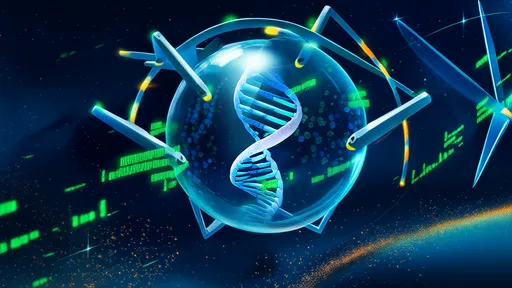
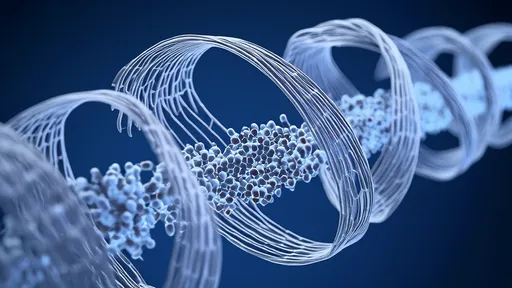
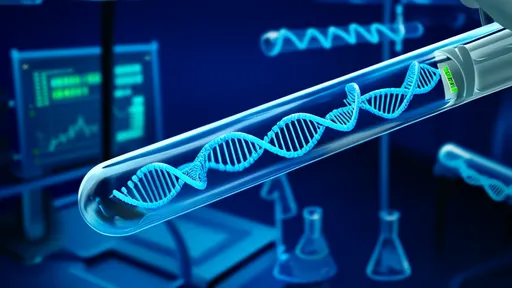
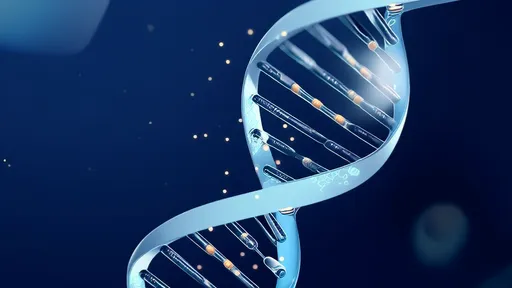
The foundation of DNA origami lies in the elegant simplicity of DNA base pairing. By designing long single-stranded DNA scaffolds and short staple strands, researchers can fold DNA into virtually any desired shape, from simple cubes and tubes to intricate geometric patterns and even dynamic nanomachines. These structures can be fabricated with nanometer precision, allowing for the exact placement of functional components such as targeting ligands, imaging agents, and drug molecules. The ability to customize the size, shape, and surface properties of these nanocarriers makes them exceptionally suited for overcoming biological barriers, such as the vascular endothelium or the blood-brain barrier, which have long posed challenges for conventional drug delivery approaches.
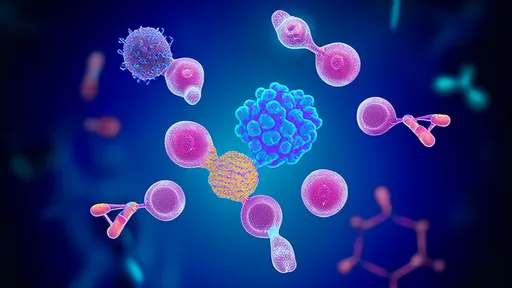
One of the most compelling advantages of DNA origami in drug delivery is its biocompatibility and biodegradability. As a naturally occurring molecule, DNA is generally well-tolerated by the immune system and can be broken down into harmless nucleotides by endogenous enzymes, reducing the risk of long-term accumulation and toxicity. Moreover, the surface of DNA origami structures can be easily modified with various biomolecules, such as antibodies, peptides, or aptamers, to achieve active targeting of specific cell types or tissues. For instance, in cancer therapy, DNA origami carriers decorated with tumor-specific ligands can hone in on malignant cells, delivering chemotherapeutic agents directly to the tumor site while sparing healthy cells from exposure.
The versatility of DNA origami extends beyond static structures to dynamic systems capable of responding to environmental stimuli. Researchers have engineered origami devices that change conformation in response to pH, temperature, or specific biomolecules, enabling controlled release of encapsulated drugs at the target site. For example, a pH-sensitive DNA origami box might remain closed in the neutral pH of the bloodstream but open upon entering the acidic microenvironment of a tumor, releasing its payload precisely where it is needed. Such smart nanocarriers represent a significant leap forward in achieving spatiotemporal control over drug release, enhancing both the safety and effectiveness of treatments.
Despite its promise, the translation of DNA origami-based drug delivery systems from the laboratory to the clinic faces several hurdles. Scalability and cost-effectiveness of production remain challenges, as the synthesis of large quantities of high-purity DNA sequences required for origami assembly can be expensive. Additionally, stability in physiological conditions—such as resistance to nuclease degradation and osmotic pressure—must be optimized to ensure that these nanostructures retain their integrity and function long enough to reach their targets. Ongoing research is focused on developing chemical modifications and protective coatings to enhance the durability of DNA origami in vivo without compromising its biocompatibility.
Looking ahead, the integration of DNA origami with other emerging technologies, such as CRISPR-Cas9 for gene editing or RNA interference for gene silencing, opens up exciting possibilities for combinatorial therapies. Imagine a single DNA origami nanoparticle capable of delivering both a chemotherapeutic drug and a gene-editing tool to a cancer cell, simultaneously killing the cell and correcting genetic mutations that drive resistance. Such multifunctional platforms could revolutionize the treatment of complex diseases by addressing multiple pathological mechanisms at once, paving the way for more personalized and effective healthcare solutions.
In conclusion, DNA origami stands at the forefront of nanotechnology-driven innovation in drug delivery, offering a unique combination of precision, versatility, and biocompatibility. While technical and economic challenges remain, the rapid progress in this field suggests that DNA origami-based therapeutics could soon become a reality in clinical practice. As researchers continue to refine these nanoscale architectures and explore new applications, the potential to transform how we treat diseases—from cancer to genetic disorders—is immense, heralding a future where medicine is not only more effective but also remarkably precise.

By /Aug 27, 2025
By /Aug 27, 2025

By /Aug 27, 2025
By /Aug 27, 2025
By /Aug 27, 2025
By /Aug 27, 2025
By /Aug 27, 2025
By /Aug 27, 2025
By /Aug 27, 2025
By /Aug 27, 2025

By /Aug 27, 2025
By /Aug 27, 2025

By /Aug 27, 2025
By /Aug 27, 2025
By /Aug 27, 2025

By /Aug 27, 2025
By /Aug 27, 2025

By /Aug 27, 2025

By /Aug 27, 2025
By /Aug 27, 2025