In the ever-evolving landscape of construction technology, a groundbreaking innovation has emerged from the intersection of microbiology and civil engineering: self-healing concrete powered by Bacillus bacteria. This revolutionary approach promises to transform infrastructure durability, reduce maintenance costs, and extend the lifespan of concrete structures worldwide. The concept, which might sound like science fiction, is rapidly becoming a tangible reality thanks to decades of research and recent advancements in biotechnology.
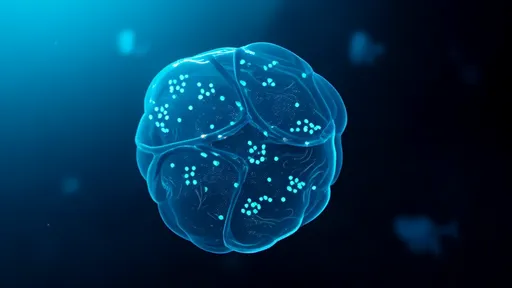
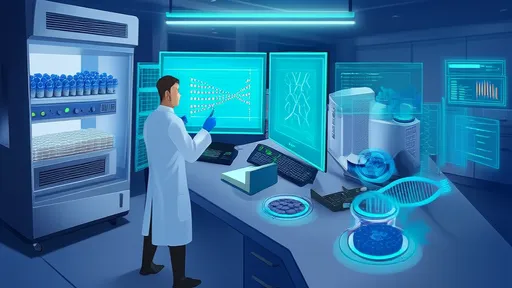
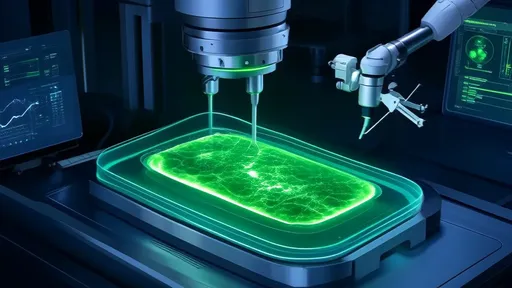
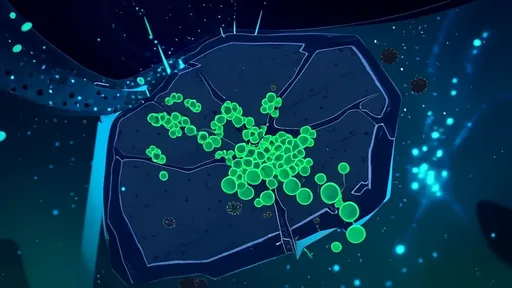
The star of this biological repair system is Bacillus pasteurii, a common soil bacterium with extraordinary capabilities. When incorporated into concrete mixtures, these microscopic organisms remain dormant until cracks form and water infiltrates the material. The introduction of moisture activates the bacteria, triggering their metabolic processes. As they consume nutrients specifically provided in the concrete formulation, they produce limestone as a byproduct through a process called microbial-induced calcium carbonate precipitation.
What makes this bacterial healing mechanism particularly remarkable is its precision and efficiency. The bacteria begin their work immediately upon activation, gradually filling cracks from the inside out. This biological repair process not only seals surface cracks but addresses deeper fractures that might otherwise compromise structural integrity. The healed concrete regains much of its original strength and, importantly, becomes water-resistant again, preventing further deterioration from moisture penetration.
The development of this technology represents a significant departure from traditional concrete maintenance approaches. Conventional methods typically involve manual inspection and physical repair of damaged structures, processes that are often costly, time-consuming, and sometimes disruptive to infrastructure operations. The self-healing approach offers continuous, automated maintenance that begins at the first sign of damage, potentially catching problems before they become visible to the human eye.
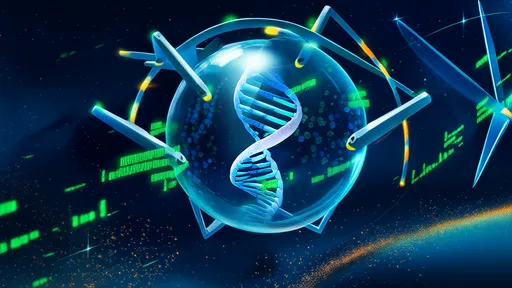
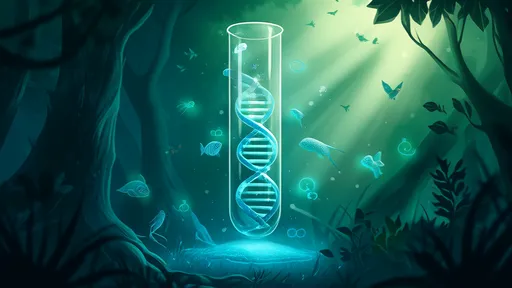
Researchers have overcome numerous challenges to make bacterial concrete commercially viable. One major hurdle was ensuring the bacteria could survive the highly alkaline environment of concrete, which typically has a pH around 13—conditions that would kill most microorganisms. Through careful selection and sometimes genetic modification, scientists have developed bacterial strains that can remain viable for years within the concrete matrix. Another challenge involved developing suitable nutrient delivery systems that would sustain the bacteria without compromising the concrete's initial structural properties.
The potential applications for this technology span virtually every sector that utilizes concrete. From bridges and highways to building foundations and underground structures, self-healing concrete could significantly reduce maintenance requirements. Particularly promising are applications in difficult-to-access locations like underwater structures, tunnels, and high-rise buildings, where inspection and repair present special challenges and elevated costs.
Environmental benefits represent another compelling aspect of bacterial concrete technology. Concrete production is notoriously carbon-intensive, accounting for approximately 8% of global CO2 emissions. By extending structure lifespans and reducing the need for concrete replacement, this technology could substantially lower the construction industry's carbon footprint. Additionally, the reduction in maintenance activities translates to fewer traffic disruptions, less construction equipment operation, and decreased material consumption over time.
Despite its promise, the widespread adoption of self-healing concrete faces several practical considerations. Cost remains a factor, as the specialized formulations containing bacteria and nutrients are more expensive than conventional concrete. However, life-cycle cost analyses suggest that the higher initial investment could be offset by significantly reduced maintenance expenses over decades of service. Standardization and regulatory approval also present hurdles, as building codes and construction standards must adapt to incorporate this new technology.
Ongoing research continues to refine and improve bacterial concrete systems. Scientists are experimenting with different bacterial species, optimizing nutrient formulas, and developing more efficient delivery mechanisms. Some investigations focus on creating "smart" concrete systems that could potentially report on their own healing progress through integrated sensors. Others are exploring combination approaches that pair bacterial healing with other innovative materials like shape-memory polymers or encapsulated healing agents.
The emergence of microbial architects in construction represents a fascinating example of biomimicry—the practice of learning from and mimicking strategies found in nature to solve human challenges. Nature has been perfecting repair mechanisms for millions of years, and by harnessing these biological processes, engineers are creating more resilient and sustainable infrastructure. This approach reflects a broader shift toward working with biological systems rather than simply exploiting manufactured materials.
Looking toward the future, the integration of biological systems into construction materials seems poised to expand beyond concrete repair. Researchers are already exploring similar approaches for other materials, including self-healing asphalt, biological corrosion inhibition, and even living building materials that could adapt to environmental conditions. The success of bacterial concrete may pave the way for a new generation of bio-enhanced construction technologies.
As with any emerging technology, public perception and acceptance will play crucial roles in its adoption. The concept of "living buildings" containing billions of bacteria may give some pause, though researchers emphasize that the microorganisms used are non-pathogenic and pose no health risk. Education and demonstration projects will be essential for building confidence among engineers, architects, contractors, and the general public.
The development of self-healing concrete also raises interesting questions about the future relationship between the built environment and biological systems. As we move toward more integrated approaches, we may see buildings that not only repair themselves but potentially respond to environmental conditions, purify air, or even generate energy through biological processes. The success of bacterial concrete represents an important step toward this more integrated future.
In conclusion, while challenges remain, the progress in bacterial self-healing concrete technology demonstrates tremendous potential for transforming how we build and maintain our infrastructure. By harnessing the power of microorganisms, engineers are developing solutions that could make our structures safer, longer-lasting, and more environmentally sustainable. As research continues and early adopters begin implementing these systems in real-world projects, we may be witnessing the dawn of a new era in construction—one where buildings and bridges quite literally come to life to heal themselves.

By /Aug 27, 2025
By /Aug 27, 2025
By /Aug 27, 2025
By /Aug 27, 2025
By /Aug 27, 2025
By /Aug 27, 2025
By /Aug 27, 2025
By /Aug 27, 2025
By /Aug 27, 2025
By /Aug 27, 2025
By /Aug 27, 2025
By /Aug 27, 2025
By /Aug 27, 2025
By /Aug 27, 2025
By /Aug 27, 2025

By /Aug 27, 2025
By /Aug 27, 2025

By /Aug 27, 2025

By /Aug 27, 2025
By /Aug 27, 2025